Surgical services
Laparoscopy Auckland provides specialist surgical care across a range of general, colorectal, bariatric and anti-reflux, breast and urological conditions.
Our experienced surgeons perform both minimally invasive (laparoscopic) and open surgical procedures, helping patients access effective treatment, recovery and improved quality of life.
Minimally invasive and surgical care focused on better outcomes, recovery and quality of life.
Why surgery may be recommended
to investigate symptoms
relieve pain or discomfort
improve quality of life
treat disease or prevent complications
support long-term health outcomes
Your surgeon will explain:
why surgery is being recommended
alternative treatment options
expected benefits
potential risks and recovery considerations
Surgical services we provide
Our surgeons provide specialist assessment and treatment across a range of surgical areas.
Gallbladder surgery
Comprehensive assessment and surgical treatment for gallbladder disease and gallstones. Many gallbladder procedures can be performed laparoscopically, using smaller incisions to reduce discomfort and support a faster recovery for suitable patients.
The gallbladder is a small organ beneath the liver that stores bile, a digestive fluid that helps break down fats. Gallstones are common and may cause symptoms such as abdominal pain, bloating, nausea, and vomiting, or occasionally block the bile ducts and lead to more serious complications. While many people with gallstones remain symptom-free, surgical removal of the gallbladder is usually recommended once symptoms develop to prevent future problems.
Hernia repair
Specialist assessment and surgical treatment for most types of hernia, with the majority of repairs performed using minimally invasive laparoscopic techniques. This approach uses small incisions and may result in less pain and a faster recovery, although some hernias are best treated with a traditional open operation.
A hernia occurs when an internal organ or tissue pushes through a weakness in the muscle or connective tissue that normally contains it. Hernias often appear as a lump or bulge and can cause discomfort, particularly when lifting, coughing, or exercising.
Colorectal surgery
Specialist assessment and surgical treatment of conditions affecting the lower colon, rectum, and anal region is provided, including rectal and anal lesions. Care is focused on diagnosis and management of a range of colorectal conditions, with treatment tailored to the individual and their clinical needs.
The lower colon, rectum, and anal canal form the final part of the digestive tract, where stool is stored and passed from the body. Conditions in this area may present with symptoms such as bleeding, pain, altered bowel habits, or a lump or lesion.
Bariatric and anti-reflux surgery
Specialist assessment and surgical treatment for a wide range of upper gastrointestinal (Upper GI) conditions, with many procedures performed using minimally invasive laparoscopic techniques. These approaches use small incisions and may result in less pain, shorter hospital stay, and faster recovery, although some conditions require traditional open surgery depending on complexity and clinical factors.
Breast surgery
Specialist assessment and surgical management of a range of breast conditions, including both benign and malignant disease.
Breast Surgery involves the diagnosis and treatment of conditions affecting the breast, including breast cancer, benign lumps, cysts, and breast pain. Symptoms may include a new lump, changes in breast shape or skin, nipple changes or discharge, or persistent discomfort, and specialist assessment is important to determine the most appropriate investigation and treatment plan.
Urology
Specialist assessment and surgical treatment for a wide range of urological conditions, with many procedures performed using minimally invasive or endoscopic techniques. These approaches use small or no incisions and may result in less pain, shorter hospital stays, and a faster recovery, although some conditions are best managed with traditional open surgery.
Urological conditions affect the urinary tract and male reproductive system, and may include problems such as difficulty passing urine, urinary infections or prostate enlargement. Symptoms can vary widely but may include pain, changes in urinary flow, or blood in the urine, and specialist assessment helps determine the most appropriate treatment approach.
What is laparoscopic surgery?
Laparoscopic surgery – also known as keyhole or minimally invasive surgery – is a modern surgical technique that allows operations to be performed through very small incisions.
Not all procedures are suitable for laparoscopic surgery, and your surgeon will discuss the most appropriate approach for your individual situation.
During the procedure:
small openings are made in the abdomen
a tiny camera is inserted to provide a detailed internal view
specialised surgical instruments are used to perform the operation
The camera displays highly magnified images on monitors within the operating theatre, allowing the surgeon to operate with precision while minimising disruption to surrounding tissue.
Compared with traditional open surgery, laparoscopic surgery may offer:
less post-operative discomfort
faster recovery
shorter hospital stays
earlier return to normal activities
smaller scars
What to expect
Every patient and procedure is different, however most patients can expect the following steps during their care.
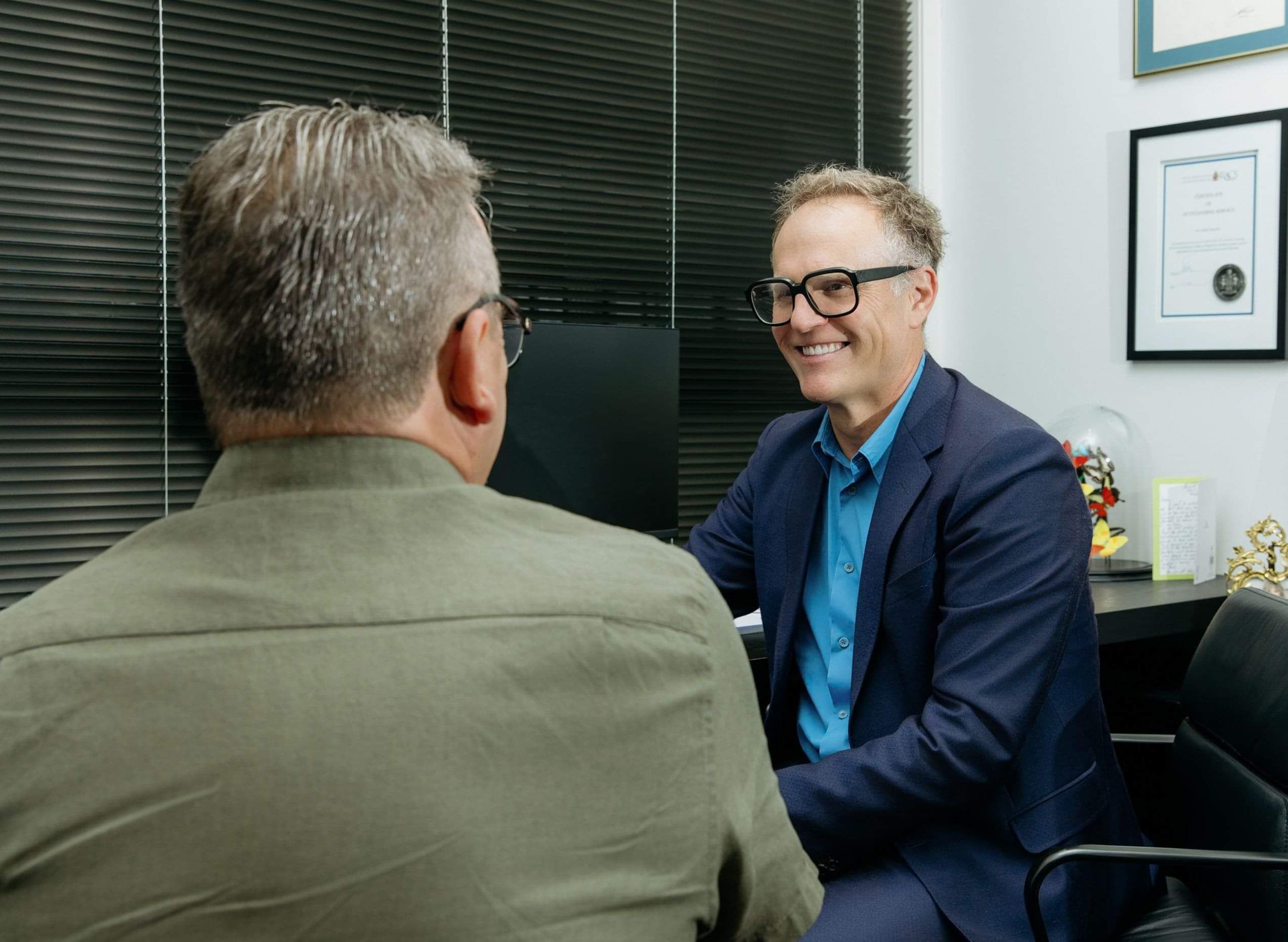
Before surgery
Before your procedure, you will usually:
attend a specialist consultation
discuss treatment options and expected outcomes
receive preparation instructions
complete admission paperwork and medical history forms
Your surgeon or anaesthetist may provide specific instructions regarding medications, eating and drinking before surgery.
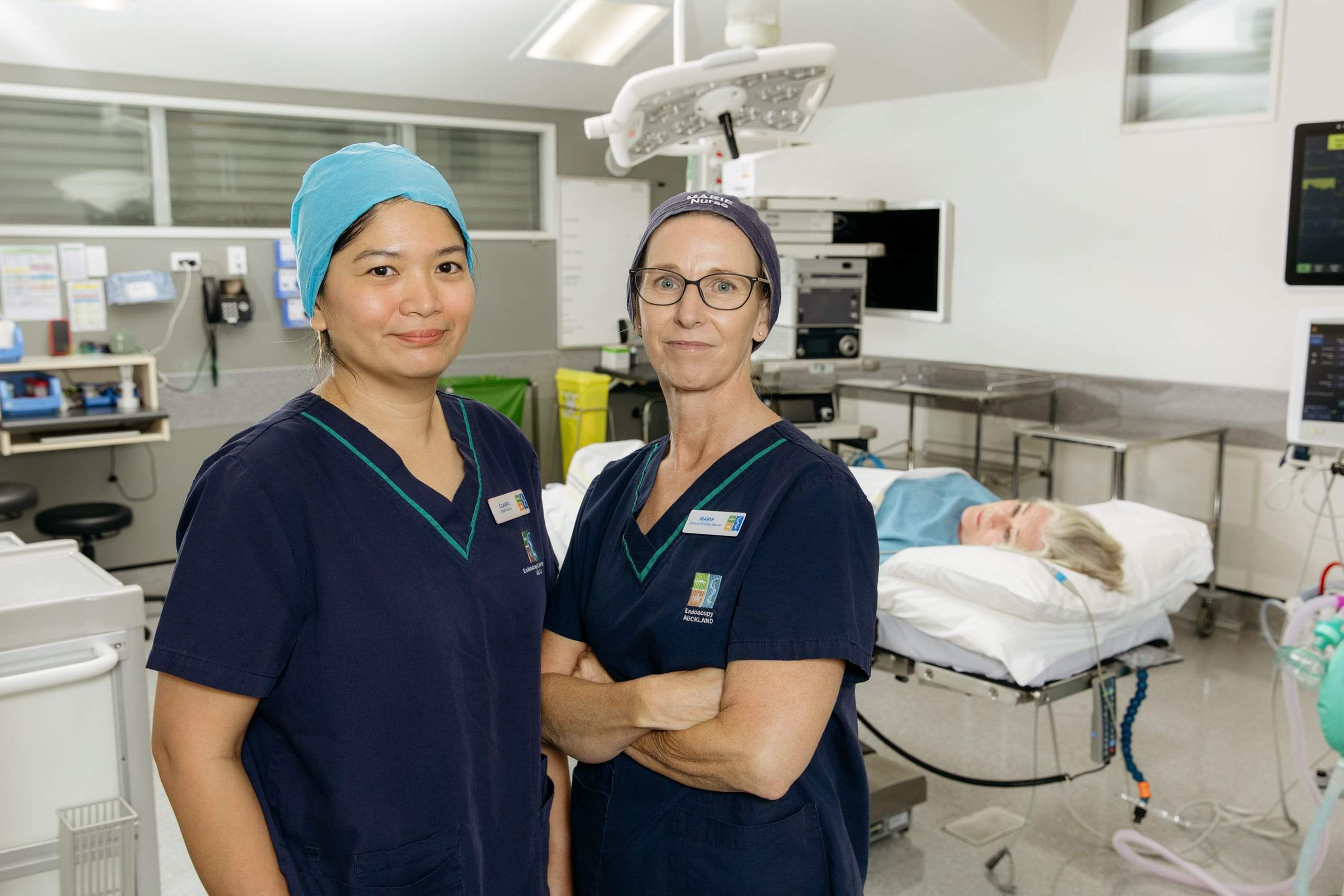
During surgery
On arrival, our clinical and administrative teams will guide you through admission and preparation.
You will be cared for by experienced nursing, surgical and anaesthetic teams within a modern, purpose-built facility designed to support patient comfort, privacy and safety.
Your surgeon and anaesthetist will meet with you before your procedure and answer any final questions.
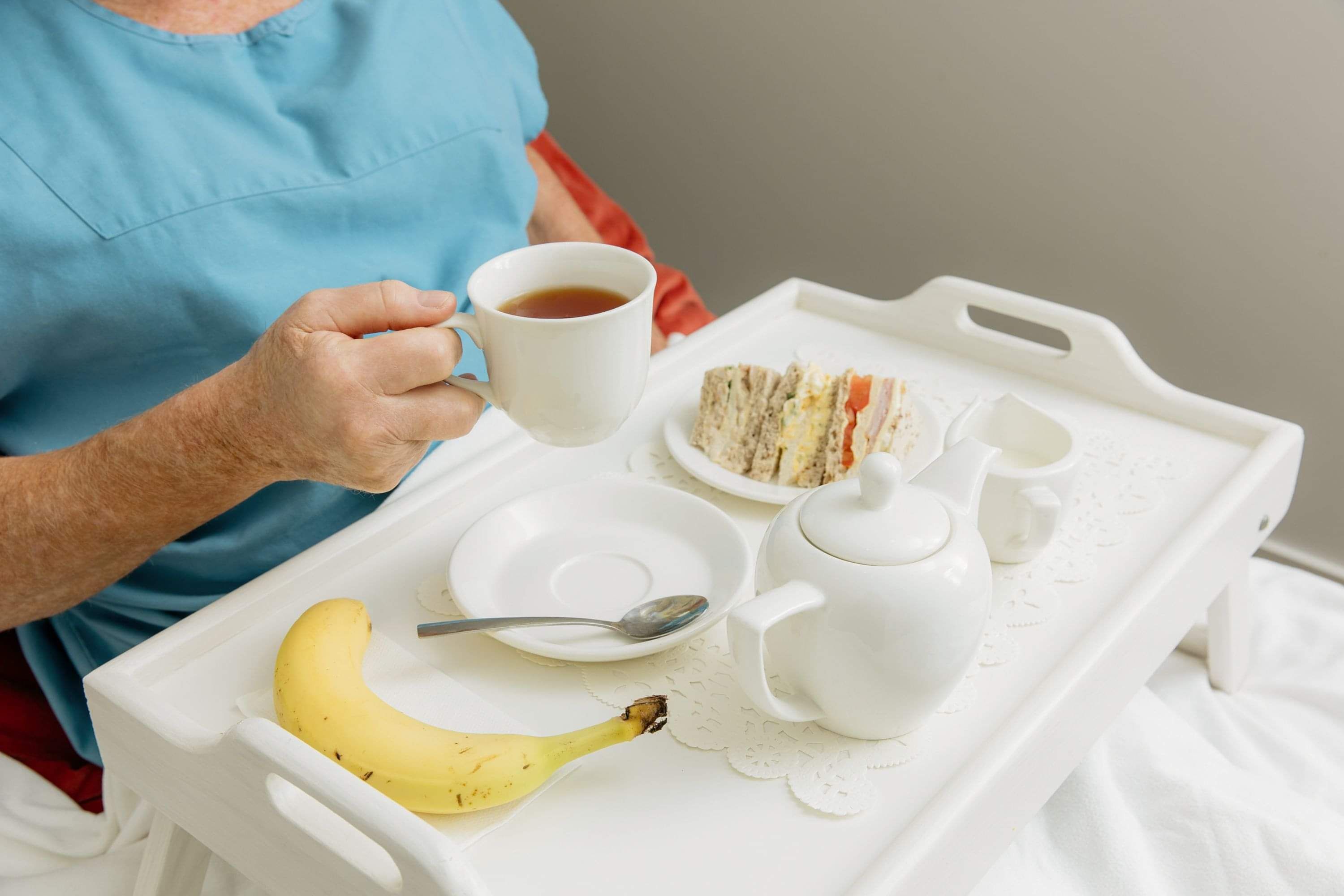
After surgery
Recovery times vary depending on the procedure and individual circumstances.
Before discharge:
your team will ensure you are recovering appropriately
post-operative instructions will be provided
medications and follow-up arrangements will be explained
Most patients require a family member or support person to accompany them home following surgery.
Safety and care
All surgery carries some risks, which vary depending on the procedure and individual health factors.
Patient safety, dignity and quality of care are central to everything we do.
Laparoscopy Auckland is certified to the Ngā Paerewa Health and Disability Services Standards and shares facilities and operational standards with Endoscopy Auckland.
Your surgeon will discuss:
details of your procedure, including potential risks and complications
any tests, treatment, or medication changes needed before admission
when to stop eating and drinking before surgery
expected recovery time, hospital stay, and follow-up care
activity restrictions, mobility after surgery, and support needed at home
Our team is committed to:
Providing safe, high-quality care in a comfortable and supportive environment, with a focus on:
clinical quality and safety
infection prevention
your privacy
clear, respectful communication
personlised, patient-centred care
Referral and next steps
Patients are typically referred by their GP, specialist or healthcare provider. If you have questions about a referral, procedure, or appointment, our team is happy to help.
Looking for endoscopy services?
Laparoscopy Auckland focuses on specialist surgical care. For gastroscopy, colonoscopy and other endoscopy procedures, please visit our associated endoscopy site:

LAPAROSCOPY AUCKLAND (Surgical Services)
148 Gillies Ave, Epsom, Auckland 1023
0800 527 276 or (09) 623 8525.
View on map →
ENDOSCOPY AUCKLAND
22 Kipling Ave, Epsom, Auckland 1023
0800 ENDOSCOPY (0800 363 672) or (09) 623 2020
Website →
